
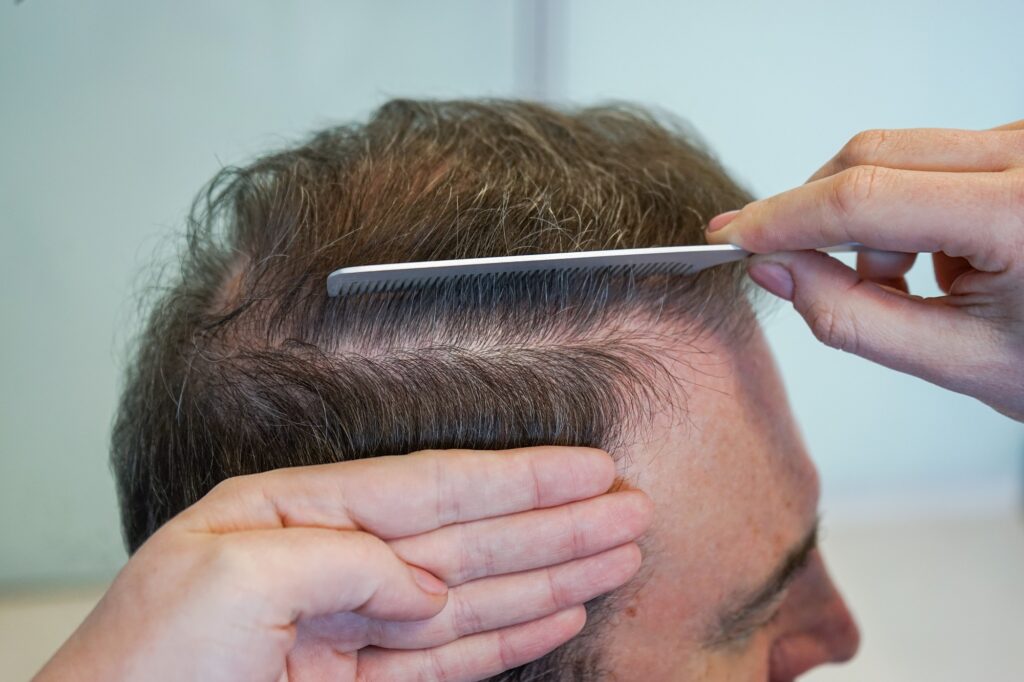
A hair transplant is only the first step toward restoring natural hair. The recovery period is equally important because newly transplanted grafts need time to settle and heal. Proper care during this stage helps protect the grafts and supports healthy hair growth.
Following your specialist’s instructions and avoiding unnecessary pressure on the scalp reduces the risk of damaging transplanted follicles.
Protect Hair Grafts During the First Few Days
The first few days after a hair transplant are the most sensitive. Newly implanted grafts remain delicate until they become secure in the scalp.
To protect your grafts:
- Avoid touching the transplanted area.
- Do not scratch your scalp.
- Keep the scalp clean.
- Follow your specialist’s instructions carefully.
Gentle care during the early recovery stage supports healthy healing.
Sleep in the Recommended Position
Your sleeping position can affect newly transplanted grafts. Sleeping correctly reduces pressure on the scalp and helps control swelling.
For better recovery:
- Keep your head elevated.
- Use the pillow recommended by your specialist.
- Avoid sleeping directly on the transplanted area.
Maintaining the correct sleeping position helps protect grafts during the first few nights.
Wash Your Hair Carefully
Hair washing is an important part of recovery but it must be done correctly. Washing too early or using excessive force may disturb healing grafts.
Safe hair washing includes:
- Using the recommended shampoo
- Applying shampoo gently
- Using lukewarm water
- Avoiding strong water pressure
- Patting the scalp dry with a soft towel
Gentle washing helps keep the scalp clean without affecting newly transplanted follicles.
Avoid Heavy Physical Activities
Strenuous activities may increase blood flow and sweating during the early recovery period. Excessive physical activity can slow healing or affect graft stability.
Avoid activities such as:
- Heavy exercise
- Weight lifting
- Running
- Sports with physical contact
Your specialist will advise when it is safe to return to normal exercise.
Protect Your Scalp From Sun Exposure
Direct sunlight can irritate the healing scalp after a hair transplant. Protecting the treated area helps reduce discomfort and supports better recovery.
During recovery:
- Avoid prolonged sun exposure.
- Stay in shaded areas whenever possible.
- Follow specialist advice before wearing head coverings.
Keeping the scalp protected helps transplanted grafts heal properly.
Avoid Smoking and Alcohol During Recovery
Smoking and alcohol may slow the healing process after a hair transplant. They can affect blood circulation, which is important for supplying nutrients to newly transplanted follicles.
For better recovery:
- Avoid smoking during the healing period.
- Do not drink alcohol unless your specialist approves.
- Follow a healthy lifestyle to support healing.
These precautions help improve the environment for healthy hair growth.
Take Medications as Recommended
Your specialist may prescribe medications to support healing and reduce discomfort after the procedure. Taking medicines correctly helps lower the risk of complications during recovery.
Follow these instructions:
- Take medicines on time.
- Do not skip prescribed doses.
- Avoid using additional products without approval.
- Contact your specialist if you notice unusual symptoms.
Institute Cosmetique provides personalized recovery guidance to help patients protect transplanted grafts during every stage of healing.
Attend Follow-Up Appointments
Regular follow-up visits allow your specialist to monitor healing and check graft development. These appointments help identify any concerns early and ensure recovery is progressing as expected.
During follow-up visits your specialist may:
- Examine scalp healing
- Check graft stability
- Review hair growth progress
- Provide additional aftercare advice
Professional monitoring supports better long-term results.
Healthy Habits Support Better Recovery
Good daily habits help create a healthy environment for transplanted follicles. Although healing takes time, proper care improves overall recovery.
Healthy habits include:
- Eating a balanced diet
- Drinking enough water
- Getting adequate sleep
- Managing stress
- Following your recovery plan
These habits support scalp health and healthy hair growth.
Expert Care Helps Protect Long-Term Results
Protecting hair grafts requires careful aftercare and professional guidance. Every patient heals differently so following personalized instructions is important throughout recovery.
Before You Decide:If you are looking for the best hair transplant in Lahore choose a clinic that provides expert consultation, advanced treatment techniques and complete aftercare support.
Institute Cosmetique focuses on personalized treatment planning and recovery care to help patients achieve natural-looking and long-lasting hair restoration results.
In Closing
Protecting hair grafts during recovery is essential for successful hair transplant results. Gentle hair care, proper hygiene, healthy habits and following specialist instructions all help support healing. Careful recovery protects newly transplanted follicles and improves the chances of healthy, natural hair growth.
Frequently Asked Questions
1. Why are hair grafts sensitive after a hair transplant?
Newly transplanted grafts need time to settle into the scalp making them delicate during the early recovery period.
2. Can I touch my hair grafts after surgery?
No. Avoid touching or scratching the transplanted area until your specialist confirms it is safe.
3. Does exercise affect hair grafts?
Yes. Heavy exercise may increase sweating and pressure on the scalp which can affect early healing.
4. How can I protect hair grafts while sleeping?
Sleep with your head elevated and avoid placing pressure directly on the transplanted area.
5. Why are follow-up appointments important?
Follow-up visits allow your specialist to monitor healing, check graft growth and provide recovery guidance.