
Hair Restoration Surgery in Lahore
Losing your hair is hard. Maybe you’ve been combing over a thin spot for years, or your hairline keeps moving back every season. It’s frustrating, but here’s the good part: hair restoration surgery works well today, and for most people, the results last a lifetime.
At Institute Cosmetique, hair restoration surgery is done under Prof. Dr. Azim Jahangir Khan, who has worked only in hair transplants for over 35 years. He works with a team that includes Dr. Amnah M. Raj and Dr. Saima Malik. This is not a side treatment at Cosmetique; it’s what the clinic is known for.
How Hair Restoration Surgery Works
The idea behind this surgery is simple. Hair on the back and sides of your head (called the donor area) almost never falls out, even in people with heavy hair loss. During surgery, doctors take healthy hair from this area and move it to the bald or thin spots. Once moved, this hair keeps growing for life, because it still has the same strength it had before.
There are two main ways to do this:
FUE (Follicular Unit Extraction) — Each hair follicle is taken out one by one with a small tool. This leaves tiny marks that heal fast and stay hidden, even with a short haircut. Most patients at Cosmetique choose this method.
FUT (Follicular Unit Transplant) — A thin strip of skin with hair is removed from the back of the head, then cut into small pieces under a microscope. This can give more grafts in one sitting, but it leaves a line-shaped scar and takes longer to heal.
Which one is right for you depends on how much hair you’ve lost, your skin, and how you like to wear your hair. That’s why a real check-up matters more than following advice found online.
Who Should Get This Surgery
Not everyone with thin hair needs surgery. In early stages, medicine or PRP treatment can help. Surgery usually makes sense when hair loss has gone too far for medicine alone to fix. This is common in:
- A hairline that has moved back past the temples
- A bald or thin patch at the top back of the head (crown)
- Hair thinning spread across the whole scalp
- Hair loss caused by an injury, burn, or an old surgery
- Female hair loss where the back and sides still have enough hair
The team at Cosmetique checks your scalp closely, how much donor hair you have, how thick each strand is, and how your hair loss is spread, before saying yes or no to surgery. This is not a guess based on photos; it’s a real check-up.
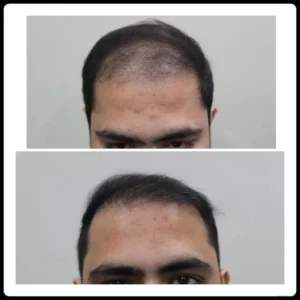
What Happens at Your First Visit
Before any surgery date is fixed, the team at Institute Cosmetique looks at your scalp in person. They ask about your health history and also think about how your hair loss might get worse in the coming years. This step matters a lot, because a hairline made only for how you look today can look wrong in five or ten years if future hair loss isn’t planned for.
This is also when they tell you roughly how many grafts you’ll need. This number depends on the size of the bald area, how thick your hair is, and how much donor hair you have. That’s why the graft number you read online may not match what your own scalp needs.
What to Expect After Surgery
Most patients are surprised at how easy recovery actually is. Some redness and mild swelling in the first few days is normal and goes away on its own. Small scabs form where the hair was placed, and these fall off by themselves in one to two weeks. It’s best not to pick at them; just let them heal.
The newly placed hair usually falls out a few weeks after surgery. This is normal, not a sign that something went wrong; the root stays in place and starts growing fresh hair again. New hair growth usually begins around month three or four, and full results keep improving for about 9 to 12 months.
Why the Surgeon You Choose Matters
Hair restoration is not just a medical step; it also needs a good eye for design. Two surgeons using the exact same method can give very different results, because hairline shape, the angle each hair is placed at, and how density is spread all depend on years of hands-on skill.
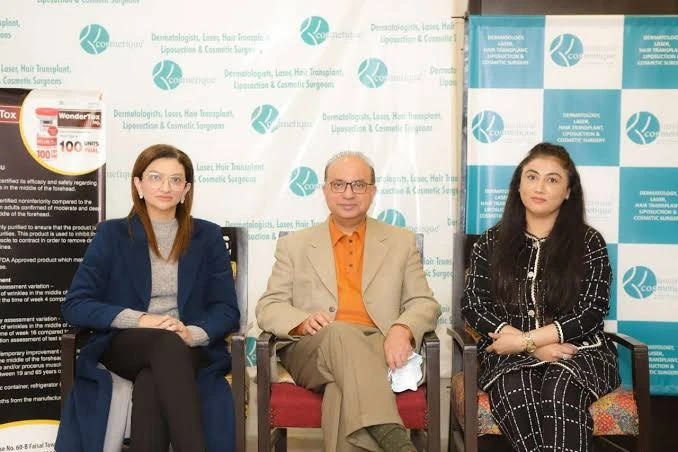
Prof. Dr. Azim Jahangir Khan has done hair transplants for more than 35 years. His team includes Dr. Amnah M. Raj and Dr. Saima Malik, who trained directly under Dr. Khan and holds a Diploma and M.Sc. in Dermatology from Cardiff University, UK, along with fellowship status from the American Society for Dermatologic Surgery.
This mix of surgical years and skin medicine training means your scalp is checked by real medical knowledge, not just looks.
Keeping Your Expectations Real
No honest clinic will promise a full head of hair to every patient. Your final result depends on how much donor hair you have, how far your hair loss has gone, and how your body heals. What a good, experienced team like the one at Institute Cosmetique can promise is a natural look, a hairline and thickness that looks like it was always yours, not one that looks obviously done.
If you’re still unsure whether hair restoration surgery is right for you, the best next step isn’t reading online; it’s getting your scalp checked in person by a team that can tell you exactly where you stand.