
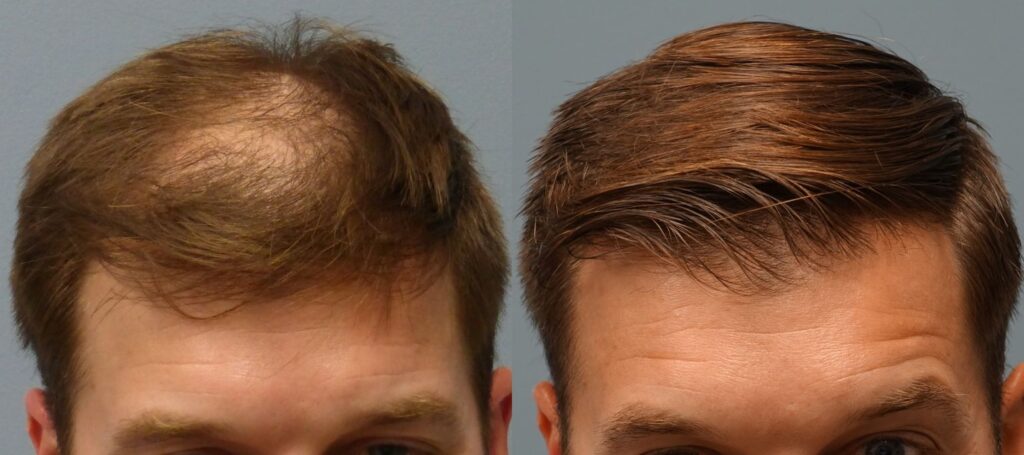
Hair loss can affect the overall appearance of a person and reduce confidence. Many people look for solutions that help improve hair coverage and create a natural appearance. A hair transplant focuses on restoring lost hair by using healthy follicles from the donor area and placing them in areas affected by thinning.
The final appearance after a hair transplant depends on several factors including hair density, graft placement, follicle quality and treatment planning. Choosing an experienced specialist helps achieve results that match the natural hair pattern.
Understanding Hair Density
Hair density plays an important role in creating a fuller hair appearance. It refers to the number of hair follicles present in a specific area of the scalp.
During a hair transplant, specialists evaluate the existing hair condition and plan the placement of grafts according to the required coverage. Proper distribution helps create balanced density without affecting the natural look.
Natural Hair Coverage
A successful hair transplant does not only focus on adding more hair. It also focuses on creating a natural balance between transplanted and existing hair.
Specialists consider the direction, angle and growth pattern of natural hair before placing grafts. This approach helps the transplanted hair blend smoothly with existing strands.
Result Improvement Secrets
Different factors influence how full the hair looks after a transplant. A detailed evaluation helps specialists create a treatment plan according to individual needs.
Hairline Planning
The hairline is an important part of facial appearance. A poorly designed hairline can make results look unnatural.
Specialists carefully design the hairline according to facial features, age and existing hair patterns. Proper planning helps create a realistic and natural appearance.
Graft Distribution
The placement of hair grafts affects the final density and coverage. Specialists carefully decide where each graft should be placed to achieve better results.
Strategic graft distribution helps cover thinning areas while maintaining a natural hair pattern.
Donor Hair Quality
The donor area provides the follicles used during transplantation. Strong and healthy follicles have better growth potential after being transferred.
Specialists examine donor hair thickness, strength and availability before creating a treatment plan. This evaluation helps determine the expected outcome of the procedure.
Hair Transplant Techniques
Modern hair transplant techniques allow specialists to achieve more precise and natural results. Different methods may be recommended depending on hair loss patterns and patient requirements.
Advanced Treatment Approach
Specialists use detailed assessment and modern techniques to improve the accuracy of the procedure. Careful extraction and implantation help protect follicles and support healthy growth.
The right technique depends on factors such as the patient’s hair condition, donor area, and desired results.
Specialist Expertise
Experience plays an important role in achieving successful hair restoration results. A skilled specialist understands how to manage different hair loss conditions and create suitable treatment plans.
Before the procedure, specialists evaluate the scalp, discuss expectations and explain the possible outcomes. This helps patients understand the complete process.
If you are searching for the best hair transplant in Lahore, selecting a specialist with proper experience, advanced techniques and personalized care can help achieve better results.
Recovery and Long-Term Care
After a hair transplant proper care supports healthy healing and new hair growth. Patients need to follow the instructions provided by their specialist during the recovery period.
Avoiding unnecessary pressure on the scalp and maintaining a healthy routine helps protect newly transplanted follicles.
Hair Care Guidance
Every person’s hair loss pattern is different. A personalized approach helps address individual concerns and improves the chances of achieving natural-looking results.
Institute Cosmetique provides hair restoration solutions based on detailed evaluation and patient needs. The focus remains on creating suitable treatment plans that support healthy hair growth.
Sum up
A fuller hair appearance after transplantation depends on proper planning, healthy grafts, and expert care. Hair density, placement technique and specialist experience all contribute to achieving natural results.
Choosing the right hair restoration approach helps improve coverage and supports long-term hair improvement.
Frequently Asked Questions
1. How does a hair transplant create a fuller appearance?
A hair transplant improves coverage by placing healthy follicles in areas affected by thinning or hair loss.
2. What affects hair density after a transplant?
Graft quality, placement technique, donor hair condition and individual growth response affect final density.
3. Why is hairline design important?
A properly designed hairline helps transplanted hair look natural and match facial features.
4. How long does it take to see hair transplant results?
Visible growth develops gradually. Most patients notice improvement over several months as new hair continues to grow.
5. Can hair transplant results look natural?
Yes. Proper planning and expert graft placement help create natural-looking hair restoration results.