
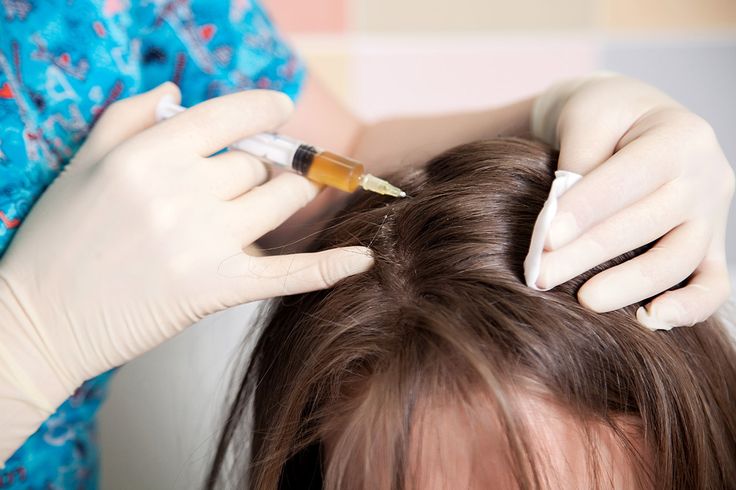
Hair loss can affect the overall appearance and confidence of a person. Advanced hair restoration techniques help people regain hair density and achieve a more natural look. hair transplant procedure hair grafts play an important role because they contain the follicles needed for new hair growth.
Proper graft selection, preparation and placement help create natural-looking results. Experienced specialists carefully manage grafts to maintain the natural direction, angle and pattern of hair growth.
Hair Transplant Grafts
Hair transplant grafts are small sections of skin tissue that contain one or more healthy hair follicles. These grafts are taken from a donor area, usually the back or sides of the scalp where hair follicles are more resistant to hair loss.
After extraction these grafts are carefully placed into areas with thinning or missing hair. The transplanted follicles continue their natural growth cycle and help improve hair coverage.
Value of Grafts in Hair Transplantation
The quality and number of grafts directly affect the outcome of a hair transplant. Specialists analyze the donor area and determine how many grafts are required to achieve the desired density.
Important factors include:
- Healthy donor follicles
- Proper graft handling
- Accurate placement
- Natural hairline planning
Key Points to Know:Careful graft management helps improve the overall appearance and supports long-lasting results.
Types of Hair Transplant Grafts
Hair grafts can contain different numbers of follicles. The number of follicles in each graft depends on the natural hair structure of the patient.
Single Hair Grafts
These grafts contain one hair follicle and are commonly used for creating a natural-looking hairline. They help specialists design a softer and more realistic front hairline.
Multiple Hair Grafts
These grafts contain two or more follicles and are often used in areas where higher density is needed. They help provide fuller coverage in thinning regions.
How Specialists Collect Hair Grafts for Transplantation
Modern hair restoration techniques allow specialists to extract grafts with precision. In methods like best hair transplant in Lahore individual follicular units are removed from the donor area using advanced tools.
The extracted grafts are stored carefully to protect their quality before implantation. Proper handling helps increase the chances of successful growth after transplantation.
Proper Graft Placement
Correct placement of grafts is essential for achieving natural results. Specialists consider the direction, angle and spacing of existing hair before implanting each graft.
Poor placement can make transplanted hair appear unnatural. Skilled professionals focus on creating a balanced hairline and matching the natural growth pattern.
Benefits of proper placement include:
- Natural-looking hairline
- Better hair density
- Improved appearance
- Long-term aesthetic results
Important Factors For Long-Term Hair Restoration Results
Several factors influence how successfully grafts grow after transplantation. Proper planning and patient care play an important role in achieving better outcomes.
Key factors include:
- Quality of donor hair
- Specialist experience
- Graft handling techniques
- Patient aftercare
- Overall scalp health
Key Points to Know:Following medical instructions after the procedure helps protect newly implanted grafts and supports healthy growth.
Recovery After Graft Implantation
After graft placement the scalp needs time to heal and adjust. Small scabs and redness may appear during the initial recovery period which usually improves gradually.
Patients should avoid touching or applying pressure to the treated area. Following proper aftercare guidelines helps maintain graft stability and supports the growth process.
When Do Transplanted Grafts Start Growing?
Hair growth after transplantation happens gradually. The transplanted hair may shed initially which is a normal part of the process. New growth usually starts after a few months as the follicles enter the active growth phase.
The final results depend on individual healing, hair growth cycle and the quality of transplanted grafts.
Experienced Hair Specialist
Selecting a skilled specialist is important for successful graft extraction and placement. An experienced professional understands how to design natural hairlines and manage grafts properly.
People looking for professional hair restoration should consider the specialist’s experience, treatment methods and clinic standards before choosing a procedure.
Sum up
Hair transplant grafts are one of the most important parts of successful hair restoration. Their quality, placement and proper care help achieve natural-looking hair growth and improved density.
With advanced techniques, expert planning and suitable aftercare, transplanted grafts can provide long-term results and help restore a more confident appearance.
Frequently Asked Questions
1. What are hair transplant grafts?
Hair transplant grafts are small sections of tissue containing healthy hair follicles that are transferred from a donor area to areas affected by hair loss.
2. How many grafts are needed for a hair transplant?
The required number of grafts depends on the level of hair loss, desired density and quality of the donor area.
3. Do transplanted grafts grow permanently?
Transplanted grafts are generally taken from hair-resistant areas and can continue growing naturally after successful transplantation.
4. Is graft placement important for natural results?
Yes. Proper graft placement helps match the natural direction, angle and pattern of existing hair for better-looking results.
5. How long does it take for grafts to show results?
Hair growth develops gradually after transplantation. Noticeable changes usually appear after several months while final results may take longer.