
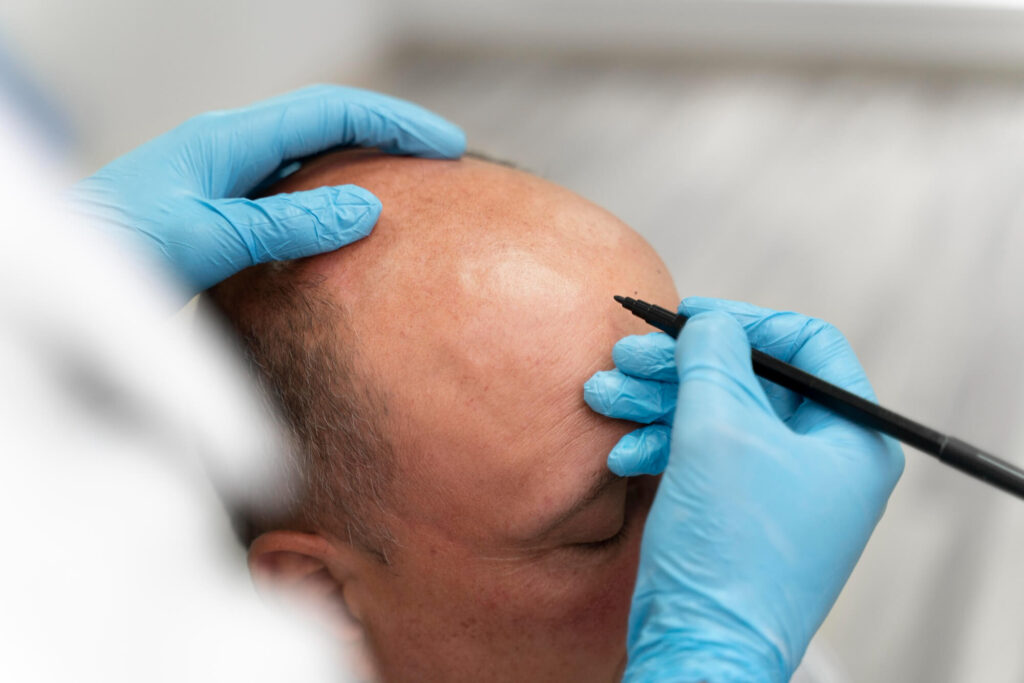
Hair loss caused by genetics or permanent follicle damage may not improve with temporary solutions. A hair transplant can help restore lost hair by using healthy follicles in thinning areas.
Why Temporary Hair Loss Treatments May Not Work
Temporary hair loss solutions usually focus on reducing shedding or improving scalp health. Their effectiveness depends on the reason behind hair loss.
Some treatments may not provide lasting results because:
- Genetic hair loss continues over time
- Damaged follicles may stop producing new hair
- Results may depend on continuous use
- Improvement may vary from person to person
Key Points to Know:For people with advanced hair loss temporary methods may not restore areas where hair follicles have become inactive.
When Permanent Hair Restoration May Be Needed
A permanent approach may be considered when hair loss becomes stable and noticeable. Common signs include:
- Visible scalp areas
- Progressive thinning
- Receding hairline
- Bald patches
- Reduced hair density
Key Points to Know:Before selecting any procedure, specialists evaluate the cause of hair loss and the condition of existing hair.
A Long-Term Solution for Permanent Hair Loss
A hair transplant uses healthy follicles from a donor area and places them into areas with reduced hair growth. These follicles are selected because they are usually more resistant to the factors responsible for permanent thinning.
The procedure aims to:
- Improve hair coverage
- Create a natural-looking hairline
- Increase density in thinning areas
- Restore lost hair in suitable cases
Key Points to Know:The success of treatment depends on proper planning, follicle quality and the patient’s hair condition.
Things to Know Before Starting Treatment
Not every type of hair loss requires the same solution. A detailed evaluation helps determine whether restoration is suitable.
Important factors include:
- Cause of hair loss
- Age and hair loss pattern
- Donor hair availability
- Scalp health
- Future hair loss possibility
Key Points to Know:A specialist can recommend whether other treatments may help or if a restoration procedure is a better option.
The Need for Expert Treatment Planning
A proper consultation helps avoid unrealistic expectations. Specialists examine the scalp, assess hair quality and create a treatment plan according to individual needs.
People searching for the best hair transplant in Lahore should choose a clinic where experts provide a detailed assessment before recommending any procedure.
New Techniques in Hair Restoration
Advanced techniques focus on achieving natural results by carefully placing follicles according to the patient’s existing hair pattern. Proper planning helps maintain balance between transplanted and natural hair.
Institute Cosmetique focuses on personalized evaluations to understand each patient’s hair loss condition and suggest suitable restoration options.
Maintaining Existing Hair After Treatment
Even after restoration, maintaining overall hair health is important. Natural hair may still be affected by the original cause of thinning.
Helpful habits include:
- Following professional guidance
- Maintaining a healthy diet
- Protecting the scalp
- Using suitable hair care products
- Monitoring future hair changes
Key Points to Know:Institute Cosmetique provides customized treatment planning to support long-term hair restoration goals.
Sum up
Temporary hair loss treatments may help with certain conditions but they may not be enough for permanent thinning and baldness. A hair transplant can provide a long-term option for suitable candidates by using healthy follicles to restore lost hair. Proper evaluation and professional guidance are important for achieving natural-looking results.
Frequently Asked Questions
1. When should someone consider a hair transplant?
It may be considered when hair loss becomes permanent and temporary treatments are unable to restore lost hair.
2. Do temporary hair treatments always fail?
No. Some treatments can help depending on the cause of hair loss, but results vary between individuals.
3. Is hair restoration suitable for everyone?
No. suitability depends on factors such as donor hair quality, scalp condition and the type of hair loss.
4. Can transplanted hair grow naturally?
Yes. transplanted follicles can grow naturally when the procedure is performed on suitable candidates.
5. Why is a consultation important before treatment?
A consultation helps identify the cause of hair loss and allows specialists to recommend the most suitable option.